How To Store DIY Tools: 4 Tips for a Tidy Result
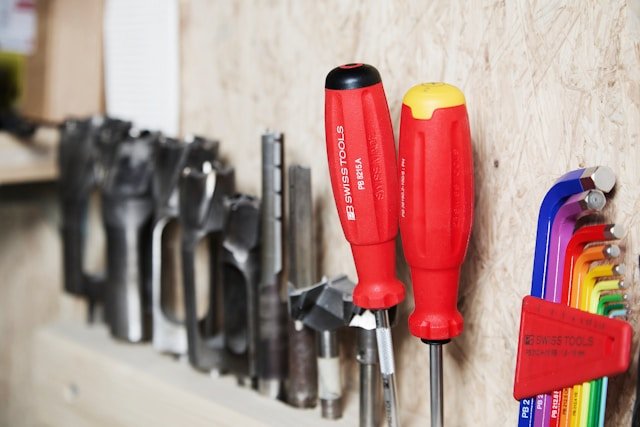
Whether you’re a weekend DIYer, a keen hobbyist, or a tradesperson who depends on good-quality tools every day, storing your equipment properly makes a huge difference. Tools last longer when they’re kept clean, dry and organised – and you work faster when everything is easy to find.
With power tools, hand tools and bulky kit all competing for space in sheds, garages or spare rooms, it’s easy for things to become cluttered or damaged.
If your tool collection is growing – or you want to protect expensive items – these practical tips will help you store them safely at home or in a self storage unit.
1. Organise your tools by type
Before you pack anything away, spend a little time sorting your tools into categories. Grouping items by type makes storage more efficient and prevents damage. Common categories might include hand tools such as spanners, hammers, screwdrivers and chisels.
Power tools such as including drills, saws and sanders need to be kept off the floor and away from any potential water ingress; garages and sheds are often victims to moisture getting in. Also, they’re not heated (typically), so are susceptible to the weather.
Gardening tools like strimmers, hedge trimmers and shears need to be covered – ideally – in colder months.
This initial organisation step helps you avoid over-stacking heavy items onto delicate ones. It also means you can label boxes clearly and find exactly what you need later. If you frequently use certain tools together, pack them as a set – it saves time and reduces rummaging.
2. Clean and dry everything to prevent rust
Even the best tools can quickly rust if they’re put away damp or dirty. After a project, take a moment to wipe down sawdust, grease, moisture, soil or outdoor debris. For metal tools, a light coat of machine oil or WD‑40 offers extra protection – especially important if you’re storing them through winter when condensation is more likely. Power tools should be cleaned with a dry cloth and kept away from direct moisture.
If you’re using a shed or garage for storage, remember that these spaces can fluctuate in temperature and humidity. A clean, dry tool is far more likely to survive those changes than one stored with moisture trapped inside.
3. Use strong, stackable boxes or tool crates
Tools are heavy, and cheap storage boxes quickly crack under weight. Opt for strong plastic crates or professional tool boxes that can handle heavy loads, stack securely and keep power tools padded and stable.
Clear plastic boxes are helpful because you can see what’s inside without opening every lid. For power tools, use their original cases if you still have them – they’re designed for safe transport and long-term storage.
Labelling is essential if your collection is large. Include both tool type and frequency of use on each label so you can put high-use boxes in the most accessible position.
4. Remove the batteries
Cordless power tools are incredibly convenient, but their batteries need careful handling. Storing tools with batteries left in them can lead to leaks and corrosion which may result in reduced lifespan of the tools. Also, it is a fire risk.
Remove each battery and store it in a cool, dry environment – ideally in a small, sealed plastic container to prevent dust and moisture entering the terminals. If you’re storing tools for a long time, charge batteries to around 40 to 60%, as storing them fully depleted or fully charged can shorten their life.
Wrap cords neatly and use cable ties or Velcro to hold them in place. A tangled power cable can easily be cut, pinched or damaged when moving boxes.
Need somewhere to store your tools but don’t have the space at home? If you’re local to Cardiff, South Wales, then why not consider Easystore Self Storage? Our storage units just off Newport Road in Cardiff include free contents insurance, ground floor access as standard, are accessible 24/7 every day of the year, and fully secure, and more. Get in touch or use our online quote form today!


